Why You Should Buy a Grain Mill (And Why I Chose NutriMill)
If you’ve ever wondered whether a grain mill is really worth the investment, you’re not alone. I asked the same question before I started milling my own flour. Now, after baking bread, cookies, pancakes, and more with freshly milled flour, I can confidently say: a grain mill is one of the most valuable tools in a from-scratch kitchen.
Whether your goal is to save money, eat healthier, or gain more control over your food, owning a grain mill can be a complete game-changer.
This blog contains affiliate links. As an Amazon Associate and affiliate, I will make a small commission on purchases made from links in this blog.
What Is a Grain Mill?
A grain mill is a kitchen appliance that grinds whole grains—like wheat berries—into fresh flour. Unlike store-bought flour, freshly milled flour includes the entire grain: the bran, germ, and endosperm.
Grain mills come in:
Electric models (fast and convenient)
Manual models (great for backup or off-grid use)
For everyday baking, most families prefer an electric mill.
Freshly Milled Flour vs Store-Bought Flour
The difference between fresh flour and store-bought flour is hard to overstate.
Store-bought flour:
Often months (or years) old
Nutrients degrade quickly after milling
Lacks flavor and aroma
Freshly milled flour:
Milled minutes before baking
Retains natural oils and nutrients
Rich, nutty, and aromatic
Once you bake with fresh flour, it’s difficult to go back.
Health & Nutrition Benefits of Milling Your Own Flour
When flour is commercially milled, the most nutritious parts of the grain—the germ and bran—are often removed or treated to extend shelf life. This dramatically reduces vitamin and mineral content.
Freshly milled flour:
Retains natural B vitamins and minerals
Contains healthy fats from the wheat germ
Is easier for some people to digest
Provides more satisfying, nutrient-dense baked goods
If you’re focused on real food, whole grains, or traditional cooking, milling your own flour fits perfectly.
Does a Grain Mill Save Money?
Yes—especially over time.
Cost comparison:
Store-bought flour: often $0.60–$1.00+ per pound
Wheat berries: commonly $0.25–$0.50 per pound when bought in bulk
Wheat berries also last 10–30 years when properly stored, which means:
Less food waste
Fewer grocery trips
Better emergency preparedness
Many families find their grain mill pays for itself within a year or two.
Total Control Over Ingredients & Quality
When you mill your own flour, you decide:
Which grain you use (hard white, soft white, einkorn, spelt, etc.)
How fine or coarse the flour is
What goes into your baked goods (no additives or preservatives)
This is especially helpful if you’re baking for kids, avoiding ultra-processed foods, or cooking for specific dietary needs.
Better Baking: Bread, Cookies, and More
Fresh flour shines in:
Sandwich bread and sourdough
Pancakes and waffles
Cookies and muffins
Tortillas, crackers, and quick breads
Many people worry that baking with fresh flour is difficult—but with a good mill and a little practice, it becomes second nature.
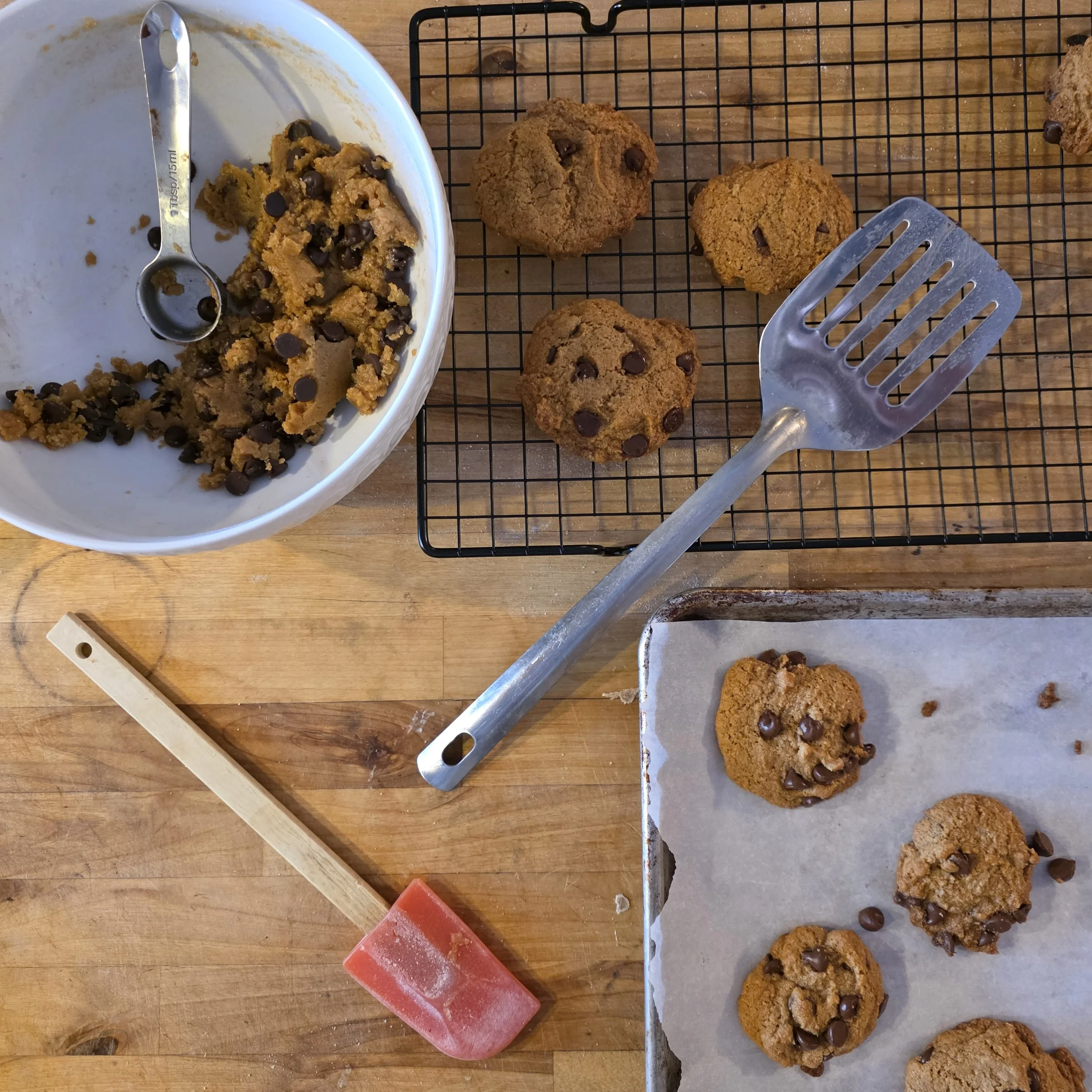
I easily adapted our favorite chocolate chip cookie recipe here, for example.
Electric vs Manual Grain Mills
Manual Grain Mills
Pros:
No electricity required
Long lifespan
Cons:
Slower
Physically demanding
I don’t currently own a manual one for regular use, but hope to get one to add to our prepper area just in case.
Electric Grain Mills
Pros:
Fast (cups of flour in minutes)
Consistent results
Easy for everyday use
Cons:
Higher upfront cost
For daily baking, an electric mill is the most practical choice.
Why I Recommend NutriMill Grain Mills
After researching and using grain mills, NutriMill stands out for several reasons:
Powerful motors that handle hard wheat with ease
Consistent, fine flour for bread and pastries
Trusted brand with years of reliability
Great for beginners and experienced bakers
NutriMill mills are especially popular with families who bake often and want dependable results without complicated adjustments.
I personally own the classic grain mill. It’s a real work horse. The harvest grain mill is great for those with a little more budget and looking for a better counter aesthetic.
Storage Benefits & Emergency Preparedness
Wheat berries store far longer than flour:
10+ years in airtight containers
20–30 years with oxygen absorbers
This makes a grain mill ideal for:
Long-term food storage
Pantry stocking
Preparedness on a budget
I use storage containers similar to these for my storage. I keep one on my counter for easy access when I want to bake.
You can also get oxygen absorbers if you’re buying big bulk orders (think 6 to 12 month supply or more).
Common Concerns About Buying a Grain Mill
“It’s too expensive.”
It’s an investment—but one that saves money long-term.
“It’s too loud.”
Most mills run only a few minutes at a time.
“I won’t use it enough.”
If you bake weekly, you’ll use it constantly.
Who Should Buy a Grain Mill?
A grain mill is perfect for:
From-scratch cooks
Homesteaders
Budget-conscious families
Health-focused households
Bread and baking enthusiasts
Frequently Asked Questions
How long does it take to mill flour?
Most electric grain mills produce enough flour for a loaf of bread in 1–2 minutes.
Can I mill grains other than wheat?
Yes—many mills handle spelt, einkorn, rye, and more (always check manufacturer guidelines).
Do I need special recipes?
No, though fresh flour benefits from slight hydration adjustments.
Is fresh flour harder to bake with?
Not harder—just different. Most bakers adapt quickly.
Final Thoughts: Is a Grain Mill Worth It?
If you value nutrition, flavor, savings, and food independence, a grain mill is absolutely worth it. Milling your own flour reconnects you to your food and transforms everyday baking into something truly special.
For anyone ready to start, NutriMill grain mills are a reliable, beginner-friendly choice that will serve your kitchen for years to come.